
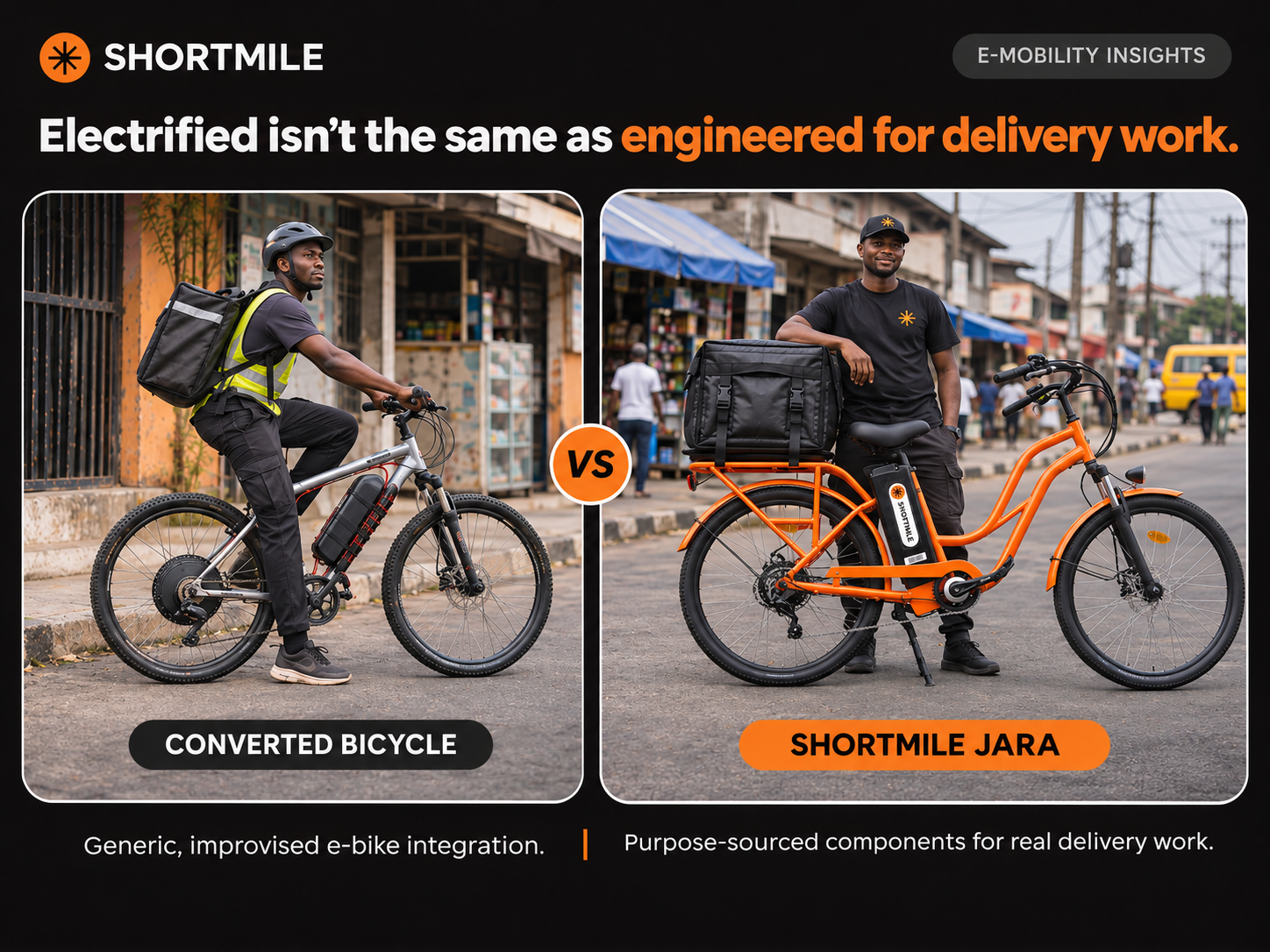
Conversion kits have helped make electric cycling more accessible. Yet adding electric assistance does not automatically turn an everyday bicycle into a dependable working vehicle. Being electrified and being engineered for delivery work are not the same thing.
The real question isn’t whether a bicycle can carry a motor. It’s whether the complete bike is suitable for the work.
A motor changes more than speed
Many bicycles were built for regular riding, not the extra mass, torque, cargo and repeated stops that come with a delivery shift. A conversion does not automatically upgrade the frame, wheels, brakes, tyres or cargo-carrying structure.
These details matter when a rider carries orders over potholes, brakes repeatedly in traffic or rides through Lagos rain. Individual components may work on their own without the finished bicycle ever being assessed as a commercial working vehicle.
Delivery is a different kind of riding
Short recreational trips and full-time delivery work place different demands on a bicycle. Daily stop-start traffic, cargo weight, potholes, rain and repeated braking change the workload completely.
Some conversions are well-designed and professionally fitted to suitable donor bicycles. Others use frames or components never selected for such duty. The issue isn’t conversion itself: it is fitness for the intended use.
We previously shared the story of a food delivery rider whose folding-frame e-bike broke in two during a delivery. Read the earlier Shortmile article →
Generic parts, hidden costs and downtime
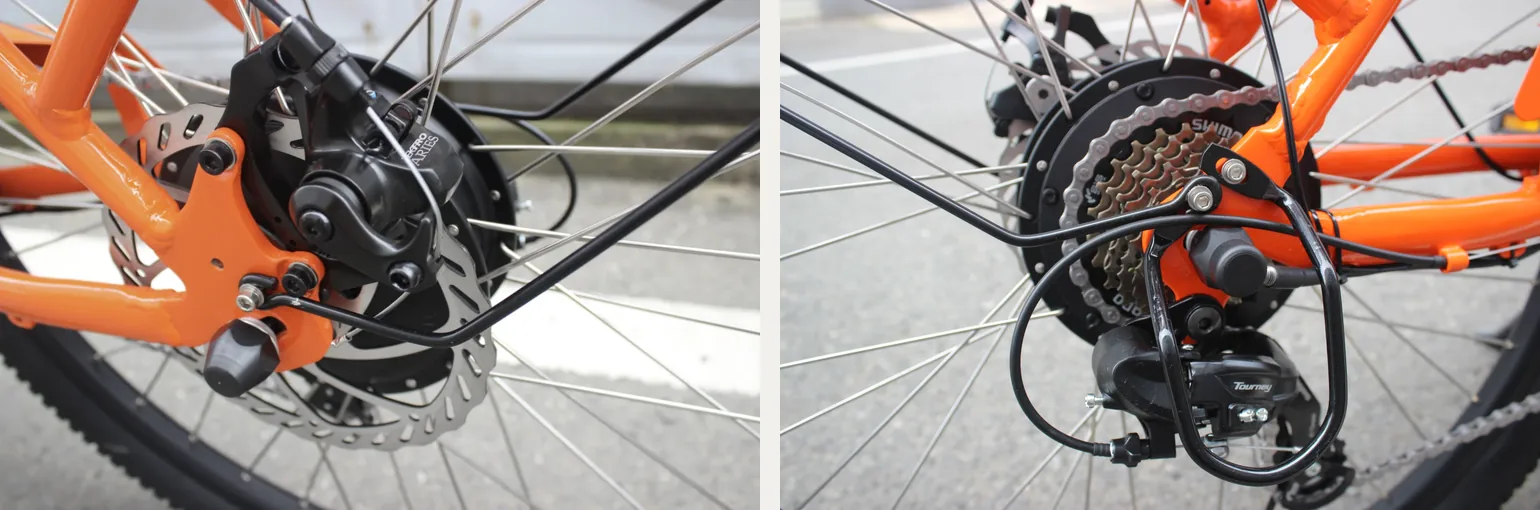
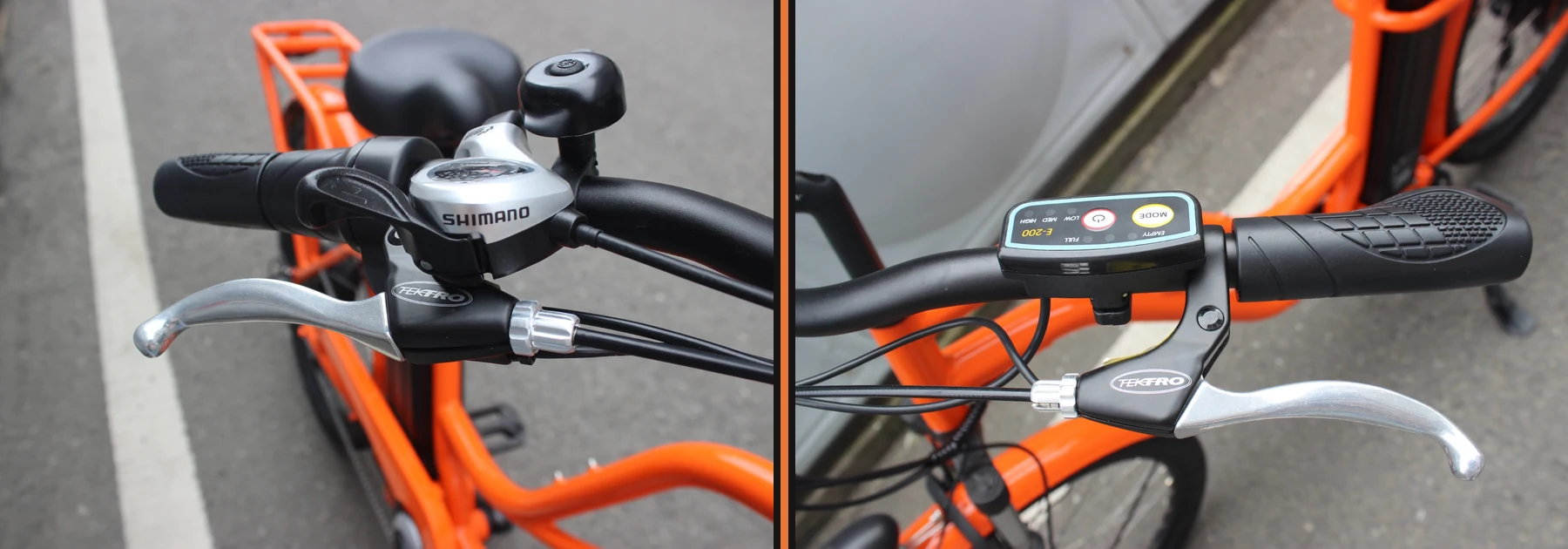
Some low-cost conversions rely on generic, unbranded electrical parts, connectors and controllers that may not be properly matched or adequately protected against rain, dust and vibration.
Under demanding delivery conditions, these weaknesses can compromise reliability, increase maintenance requirements and introduce hidden operating costs and potentially extensive downtime—affecting a rider’s earnings and business productivity.
Purpose-sourced for the job
At Shortmile, we start with the actual use case: rider and cargo loads, road conditions, weather exposure, serviceability and repeated commercial use. We purpose-source components for this workload rather than simply electrifying an arbitrary donor bicycle.
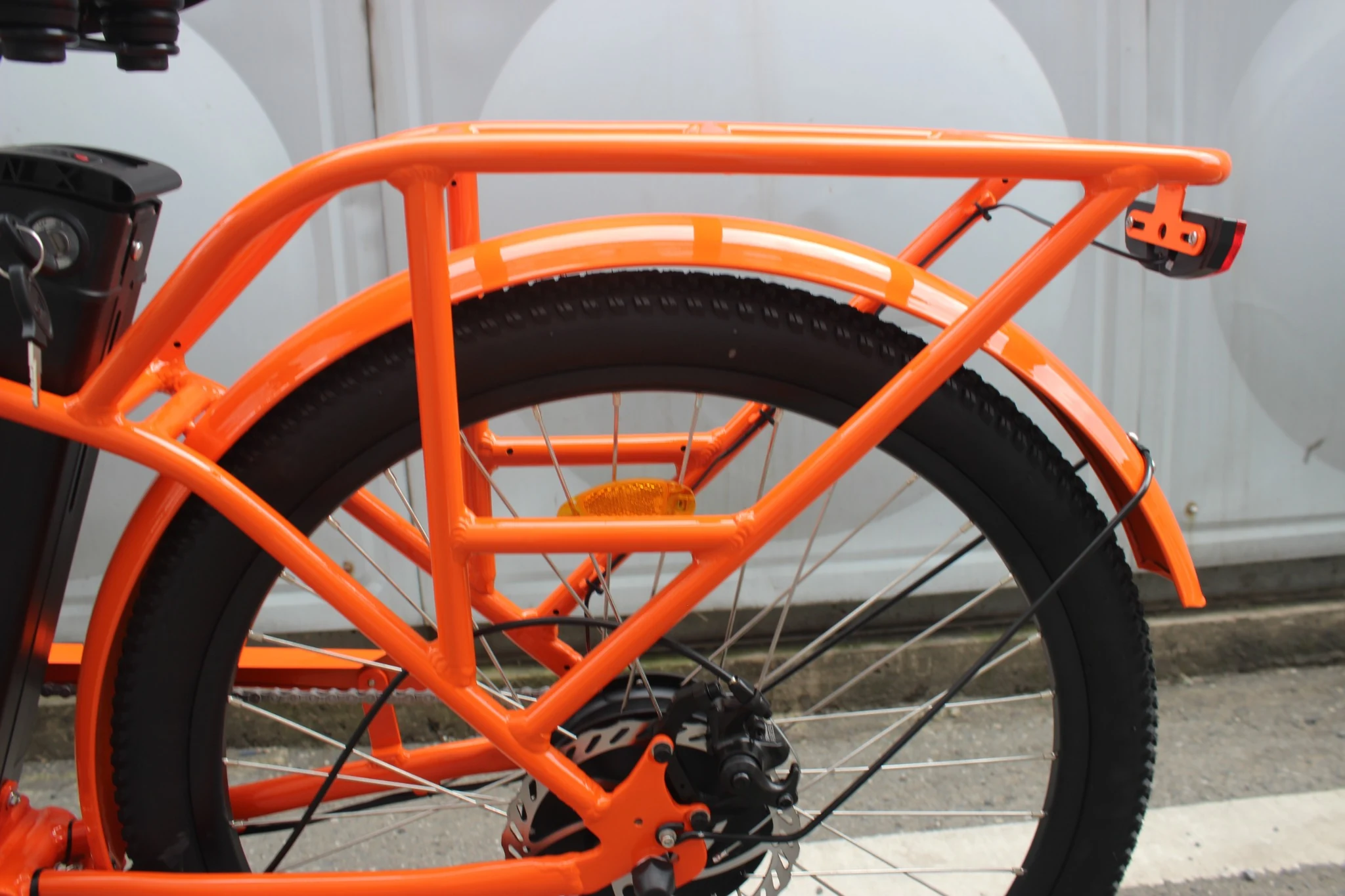
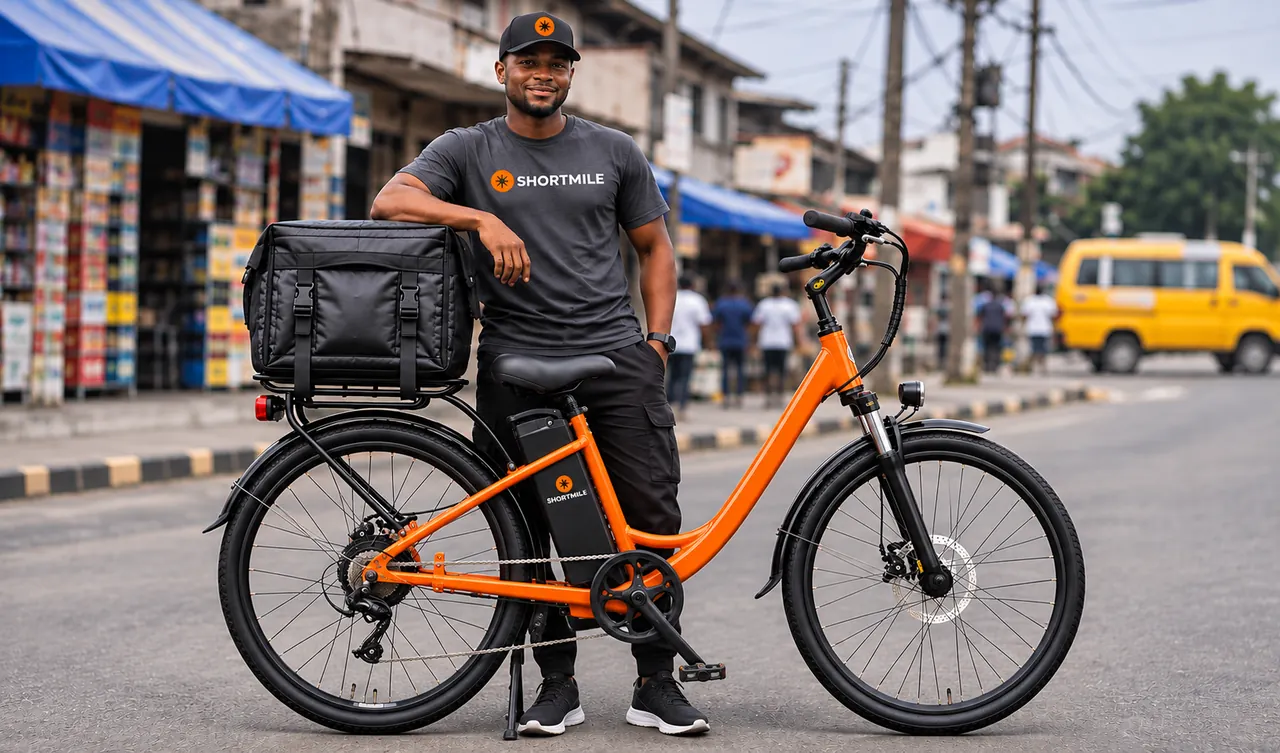
Jara’s integrated rear rack supports that approach. A built-in carrier is better suited to planned cargo mounting and reduces reliance on improvised bolt-on racks; load limits and correct maintenance still matter for longevity.
Brakes, tyres and drivetrains still wear on any working bike. Our goal is suitability for daily use and more predictable servicing, not a promise of zero maintenance.
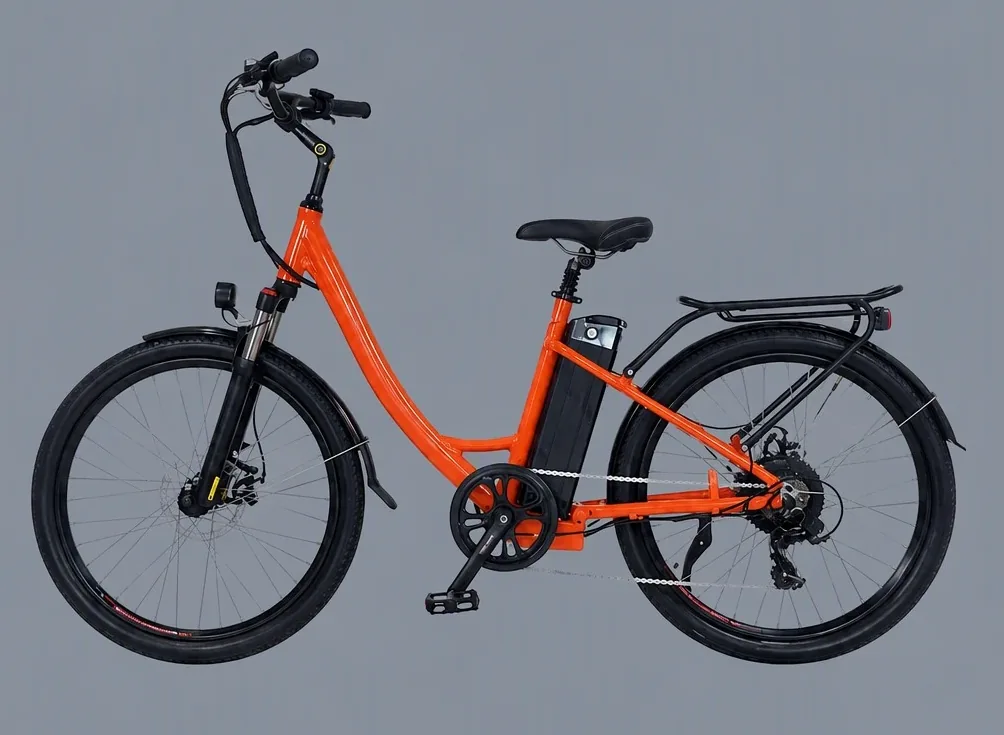
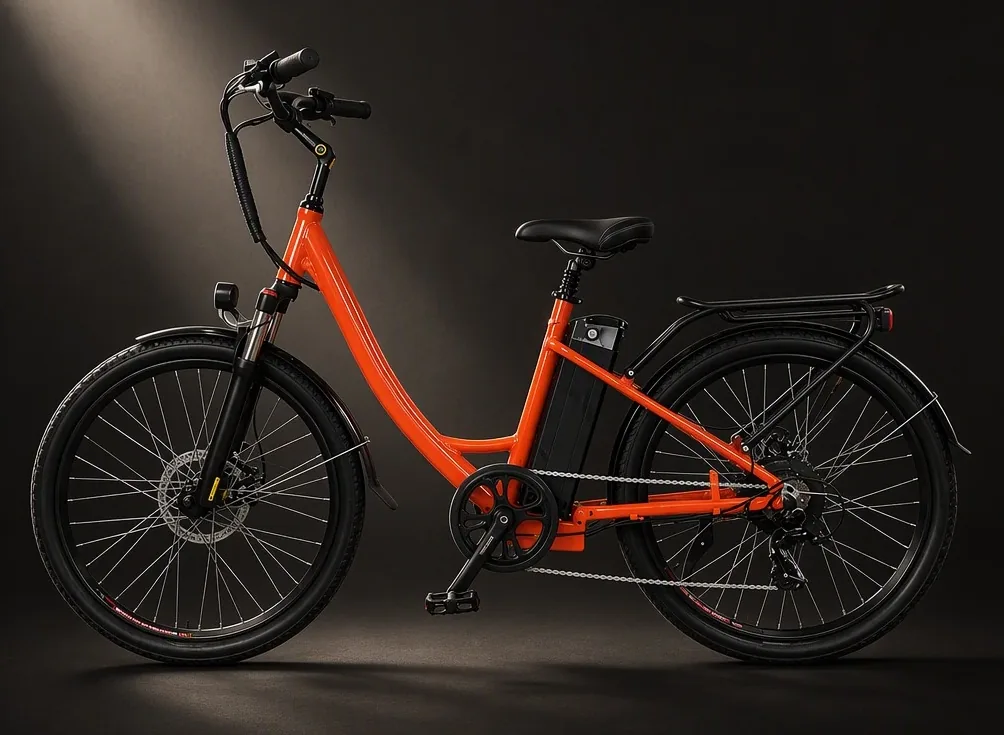
Built for the work, not just the ride
A properly engineered conversion can be suitable for everyday use. But when riders and businesses depend on a bike to earn, the better question is whether the whole vehicle was selected and engineered for commercial duty.
A bicycle that has been electrified is not automatically one engineered for delivery work.
Further reading: UK government e-cycle guidance · London Fire Brigade conversion-kit advice.